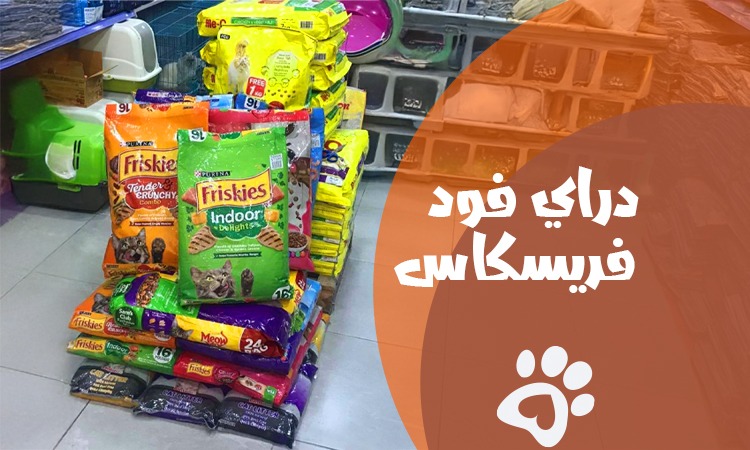
Friskas dry food: Types, Benefits and Tips for Choosing
August 11, 2026Have you ever found yourself standing in the pet food aisle, overwhelmed by endless options, wondering if your cat's favorite crunch is providing genuine nutrition or just satisfying a craving? Selecting the perfect daily diet for your feline companion can feel like navigating a complex maze.
Produced under Purina’s global umbrella, Friskies dry food has established itself as one of the most widely available and popular cat food choices on the market. Known for its wide variety of mouthwatering flavors, accessible pricing, and convenience, it remains a household staple. However, many dedicated pet parents frequently ask: Does it genuinely offer balanced nutritional value for long-term health, or is it merely an economical choice?
In this comprehensive guide from Cairo Zoo, we deliver an objective, veterinary-informed evaluation of this popular kibble line. We examine everything from ingredient quality and key formulations to expert insights on daily feeding, safety considerations, and urinary wellness.
What Is This Cat Food Line?
This product is a commercially formulated kibble designed to deliver a balanced daily diet meeting the foundational dietary needs of cats across different life stages. Manufactured by Purina, this diet blends animal protein sources—such as real chicken, meat, and fish—with wholesome grains like corn and wheat, providing the essential carbohydrates needed to fuel your cat’s energetic lifestyle.
Nutritional Breakdown of Friskies Dry Food
Formulated to support overall vitality, Friskies dry food integrates several essential micro- and macronutrients vital to feline physiology:
- Taurine: An essential amino acid that cats cannot synthesize naturally in adequate amounts. Added taurine supports cardiac muscle health, maintains proper retinal vision, and aids central nervous system performance.
- Essential Vitamins and Minerals: Contains balanced concentrations of Vitamin A to strengthen vision and immune defense, alongside B-Complex vitamins that assist metabolic conversion and cellular energy output. Added key minerals help preserve strong skeletal bones and healthy teeth.
- Omega-3 & Omega-6 Fatty Acids: Enriched with precise ratios of essential fatty acids to combat dry skin, enhance fur radiance, reduce seasonal shedding, and bolster immune responses.
If you want to learn more useful information, check out sheba wet cat food to explore important details and helpful tips.
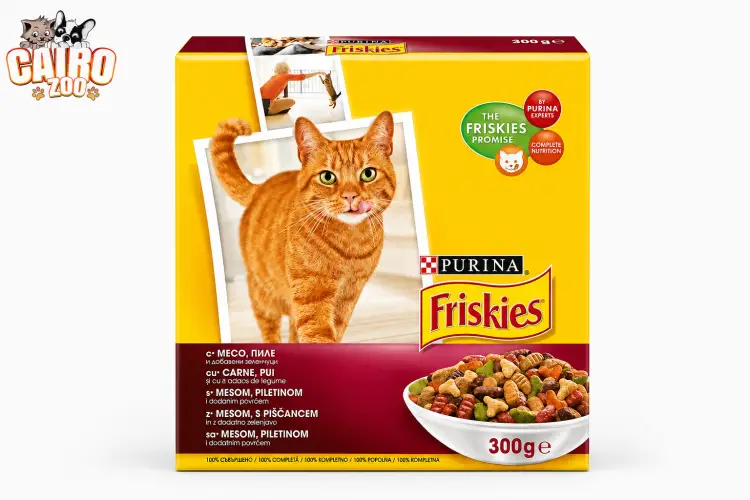
Varieties Available at Cairo Zoo
Purina manufactures diverse options within the Friskies Cat Food lineup to address various life stages and nutritional requirements. When shopping at Cairo Zoo, owners can find tailored varieties ranging from specialized growth formulas like Friskies Dry Kitten Food to specialized adult options.
For complete availability and fast home delivery, browse the dedicated dry cat food section at Cairo Zoo to discover the latest offers on Friskies egypt products.
Key Benefits of Feeding This Diet
Integrating this commercial kibble into your cat's routine offers several practical and nutritional benefits that appeal to pet owners:
- Comprehensive Daily Nutrition: Provides recommended proportions of dietary protein, fats, and crude fiber to meet fundamental caloric requirements.
- High Palatability for Picky Eaters: Formulated with rich aromas and diverse flavors, this kibble is appealing even to felines with picky eating habits.
- Skin and Coat Support: Added zinc and essential fatty acids work together to prevent skin dryness and maintain a soft, glossy coat.
- Economical and Practical: Choosing Friskies dry food offers a budget-friendly complete feeding solution without requiring expensive therapeutic dietary alternatives.
For more information about available products and options, read birbo dry food and discover the useful details included in the guide.
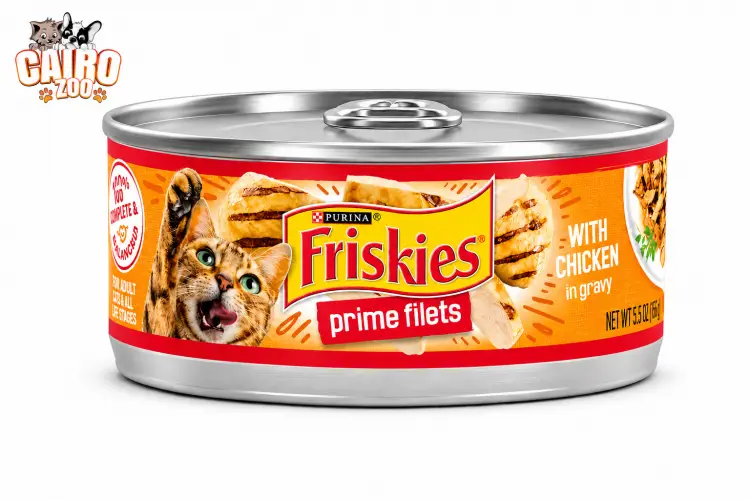
Pros and Cons of Friskies Dry Food
Before incorporating this diet into your cat's long-term routine, reviewing its advantages and disadvantages based on nutritional analysis and consumer experiences helps ensure an informed decision:
Pros
-
Exceptional Availability: It is readily available across pet supply stores, veterinary clinics, and online platforms like Cairo Zoo, making reordering simple.
- Flavor Variety: Offers a wide array of recipe combinations featuring poultry, beef, and seafood, keeping mealtime exciting and preventing food fatigue.
- Practical Packaging: Comes in durable, resealable packaging designed to protect kibble freshness, crunch, and nutritional integrity during home storage.
Cons
-
Inclusion of Grains: Friskies dry food relies on carbohydrate sources like corn and wheat gluten, which may not suit cats with grain sensitivities or those requiring strict high-meat diets.
- Added Color Additives: Certain production lines utilize artificial food dyes for visual appearance. While harmless to most pets, these add no nutritional value, and some veterinarians prefer dye-free alternatives for sensitive pets.
- Moderate Plant Protein Content: While containing animal proteins, a portion of the total protein percentage is plant-derived, making it less ideal for felines requiring ultra-premium, meat-exclusive protein levels.
Does It Cause Kidney Failure in Cats?
One of the most frequent questions pet parents ask Cairo Zoo specialists is whether feeding this kibble causes renal issues or kidney failure.
Scientifically speaking, dry kibble itself does not directly cause kidney failure. Instead, urinary risks stem from inadequate hydration associated with exclusive dry food diets. Kibble contains significantly less moisture than canned formulas like Friskies wet food. Naturally, felines have a low thirst drive because their ancestral ancestors derived most of their hydration directly from their prey.
When a cat eats an exclusively dry diet without drinking sufficient water, urine concentration increases. Over time, concentrated urine can lead to mineral crystal formation or urinary stones—especially in genetically predisposed male cats. While chronic dehydration can strain the renal system over time, Friskies dry food itself is not the direct cause of kidney failure.
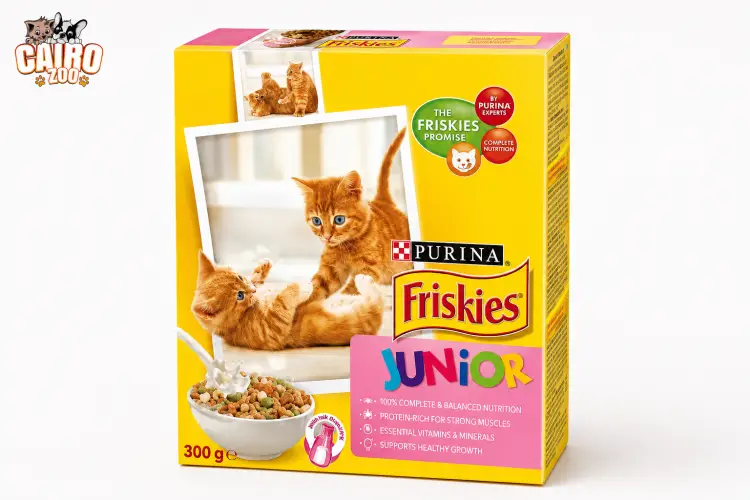
You can also explore friskies jounior with chiken to discover helpful information that can guide you when choosing the right products for your needs.
Veterinary Tips to Maintain Your Cat's Health:
- Ensure Continuous Fresh Water Access: Change water bowls daily, place multiple water dishes around your home, or use an automated cat water fountain to encourage active drinking.
- Combine Dry Kibble with Wet Food: Increase total daily fluid intake by pairing kibble with hydration-rich options like Friskies wet food or vet-approved home-cooked broths.
- Follow Recommended Feeding Portions: Adhere strictly to the feeding guidelines on your bag to prevent overeating and obesity, which is linked to secondary health issues.
- Monitor Feline Health Regularly: If you observe straining in the litter box, lethargy, decreased appetite, or sudden excessive thirst, consult a veterinarian immediately.
Frequently Asked Questions (FAQ)
Is this commercial diet suitable for sterilized or neutered cats?
Yes. Purina offers specialized formulas within the Friskies Cat Food range, such as Friskies Indoor Delights, designed with adjusted caloric and fat levels to help maintain a healthy weight post-sterilization. Managing meal portions and encouraging physical activity remain essential.
How many times a day should I feed my cat?
For optimal digestion, veterinarians recommend dividing the daily suggested serving into two or three controlled meals for adult cats, always keeping fresh drinking water accessible nearby.
How do I transition my cat without digestive upset?
Transition to the new formula gradually over 7 days:
- Days 1–2: Mix 25% new kibble with 75% of the old diet.
- Days 3–4: Increase to 50% new kibble and 50% old food.
- Days 5–6: Shift to 75% new kibble and 25% old food.
- Day 7: Serve 100% new kibble.
This step-by-step transition prevents digestive disturbances like vomiting or loose stool